- 學校簡介 School Profile
- 學校資訊 School Info
- 管理與組織 Management and Organization
- 學與教 Learning and Teaching
- 校風及學生支援 Student Support and School Ethos
- 校園生活 School Life
- 入學及升中 Admission and Secondary School Placement
- 小一入學
- Application for Primary One Admission through Discretionary Places in September 2027 申請2027年9月小一入學「自行分配學位」事宜
- Primary One Admission (POA) 2026 辦理「自行分配學位」註冊手續
- Central Allocation Primary One Registration Notice for the Academic Year 2026-2027 辦理「統一派位」註冊手續
- 小一候補生申請表格 Primary One Wait-listed Places Application Form
- 插班生申請
- 幼小銜接
- 升中銜接
- 小一入學
家長學堂- 親子聖誕花環 Parent-Child DIY Christmas Wreath Workshop
日期: 13/12/2025
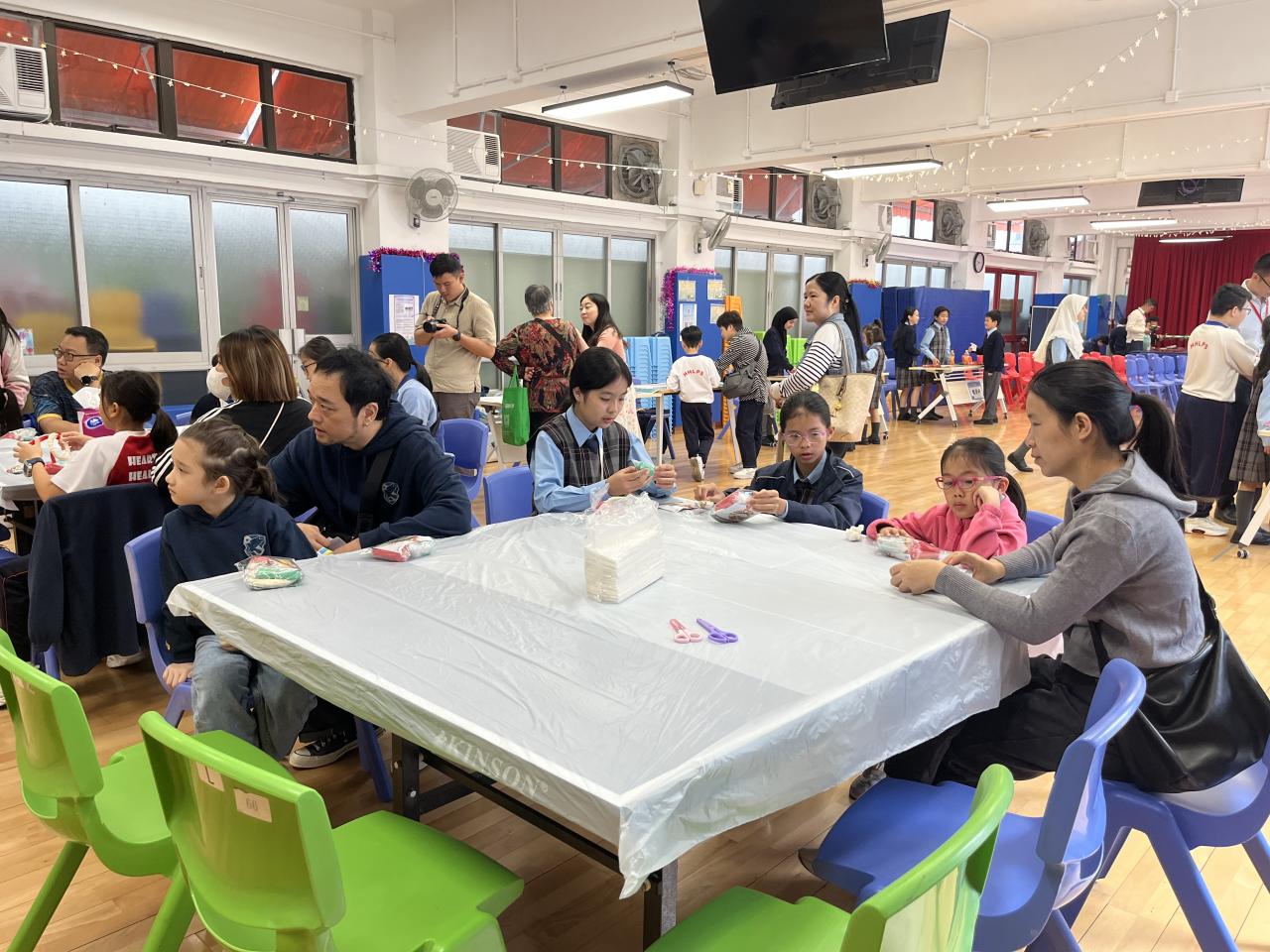
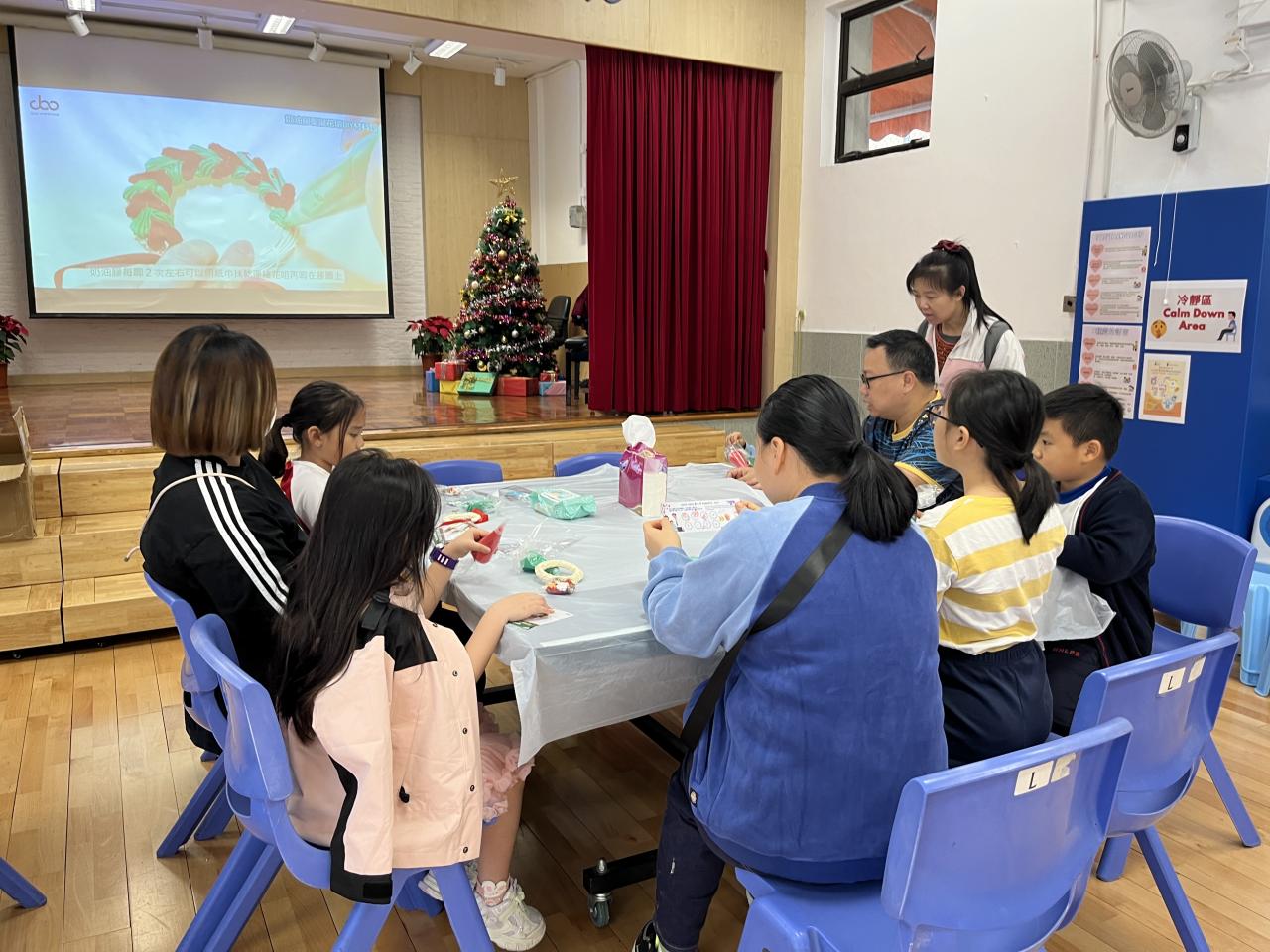
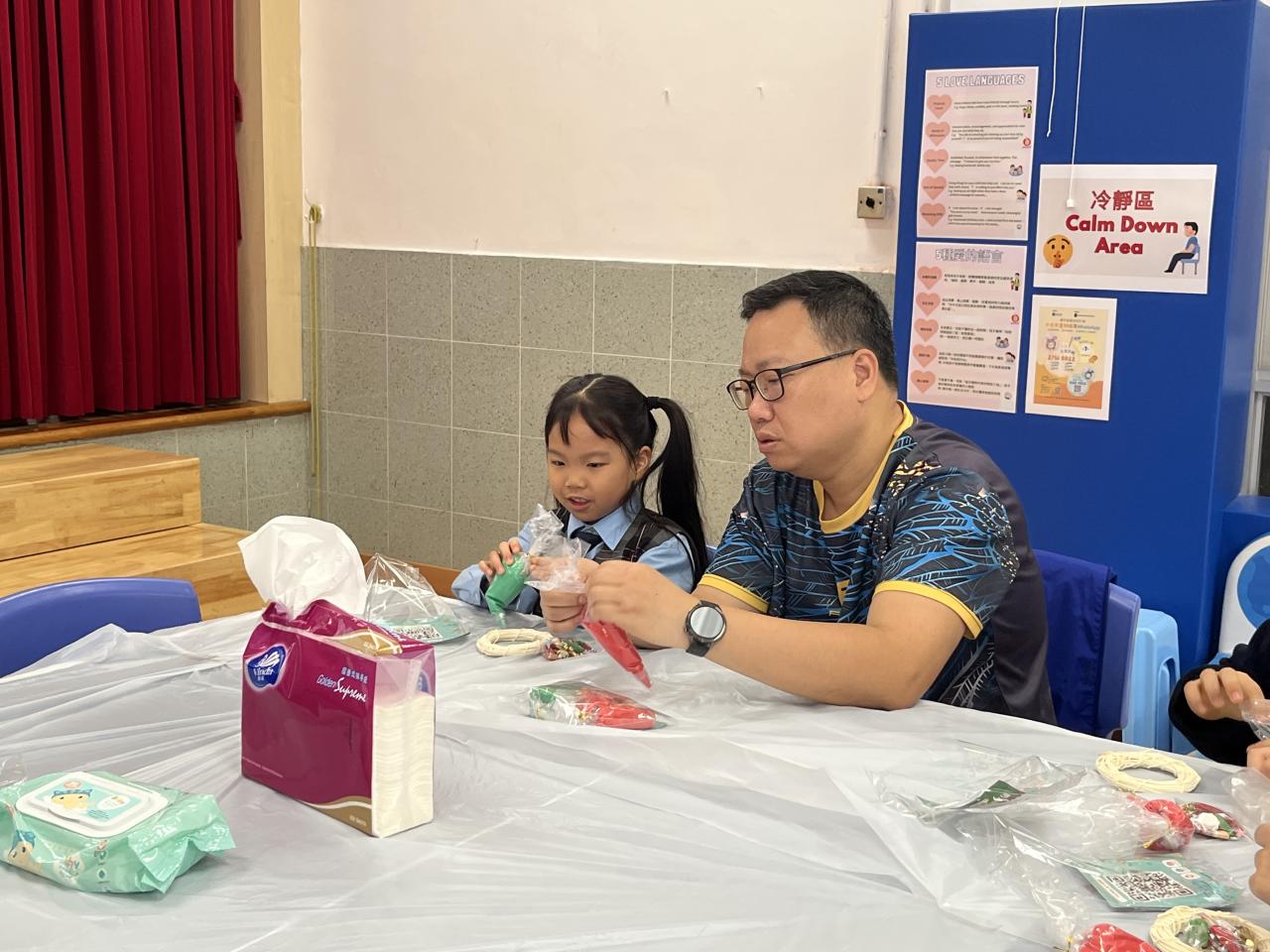
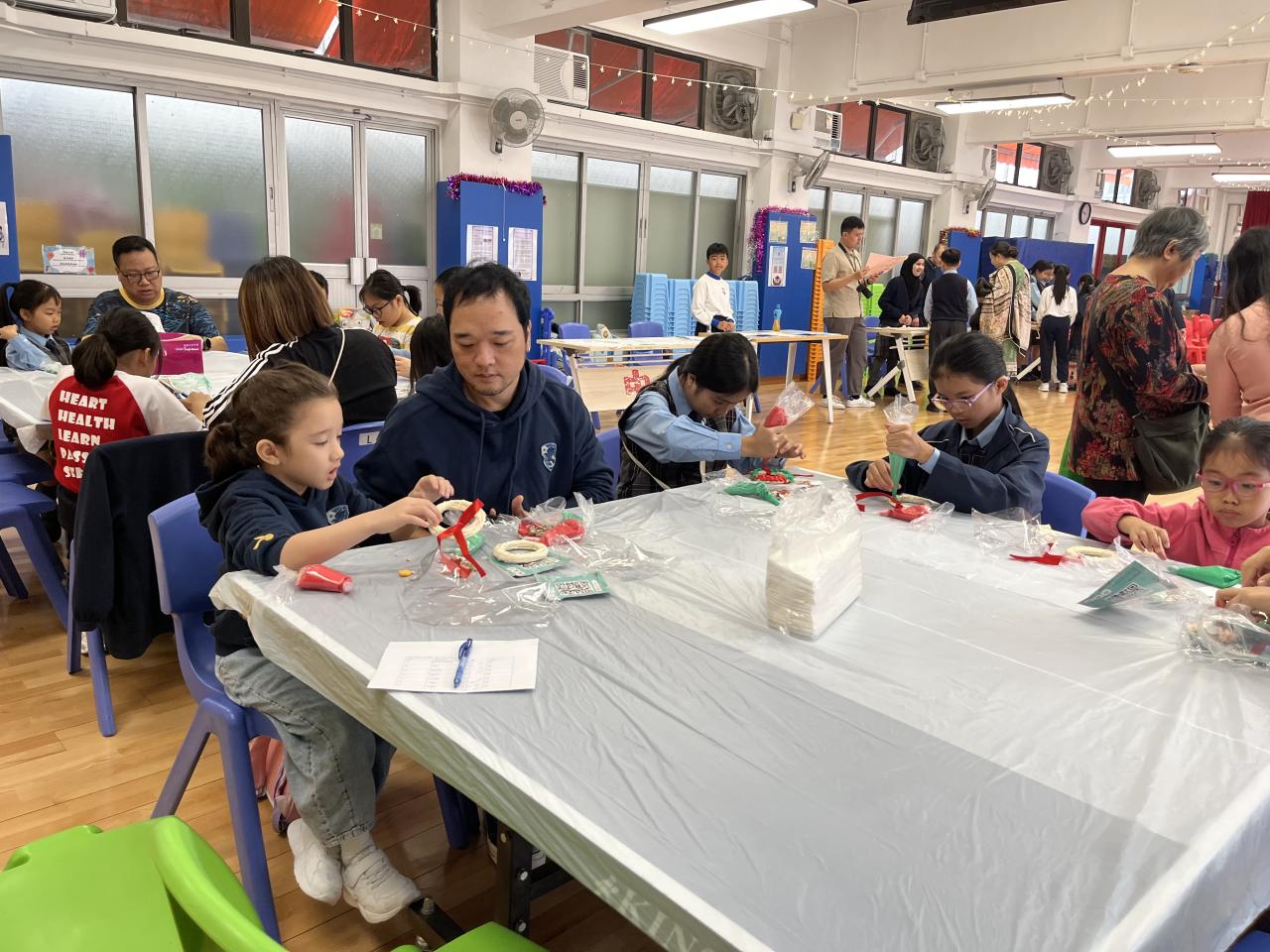
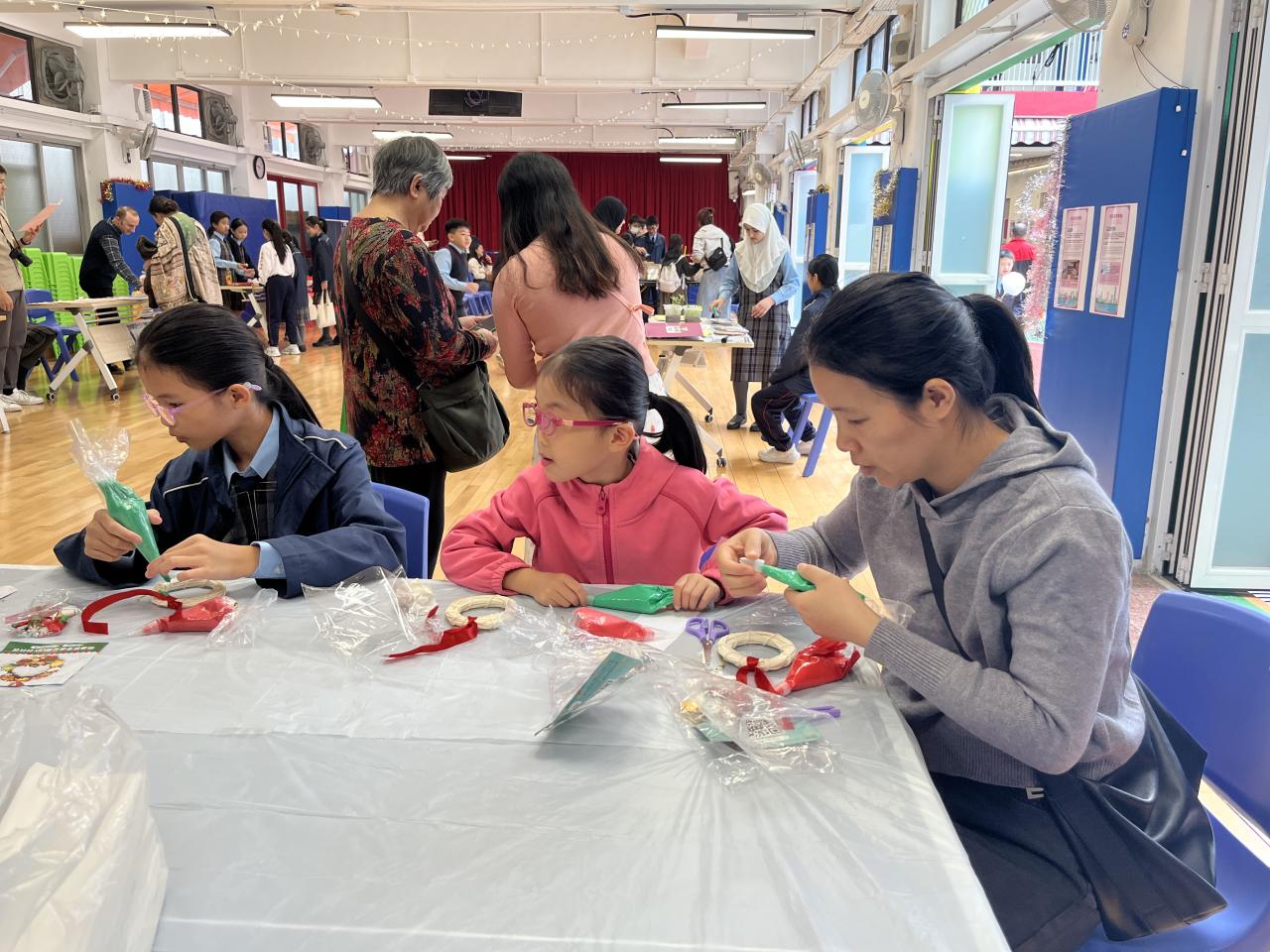
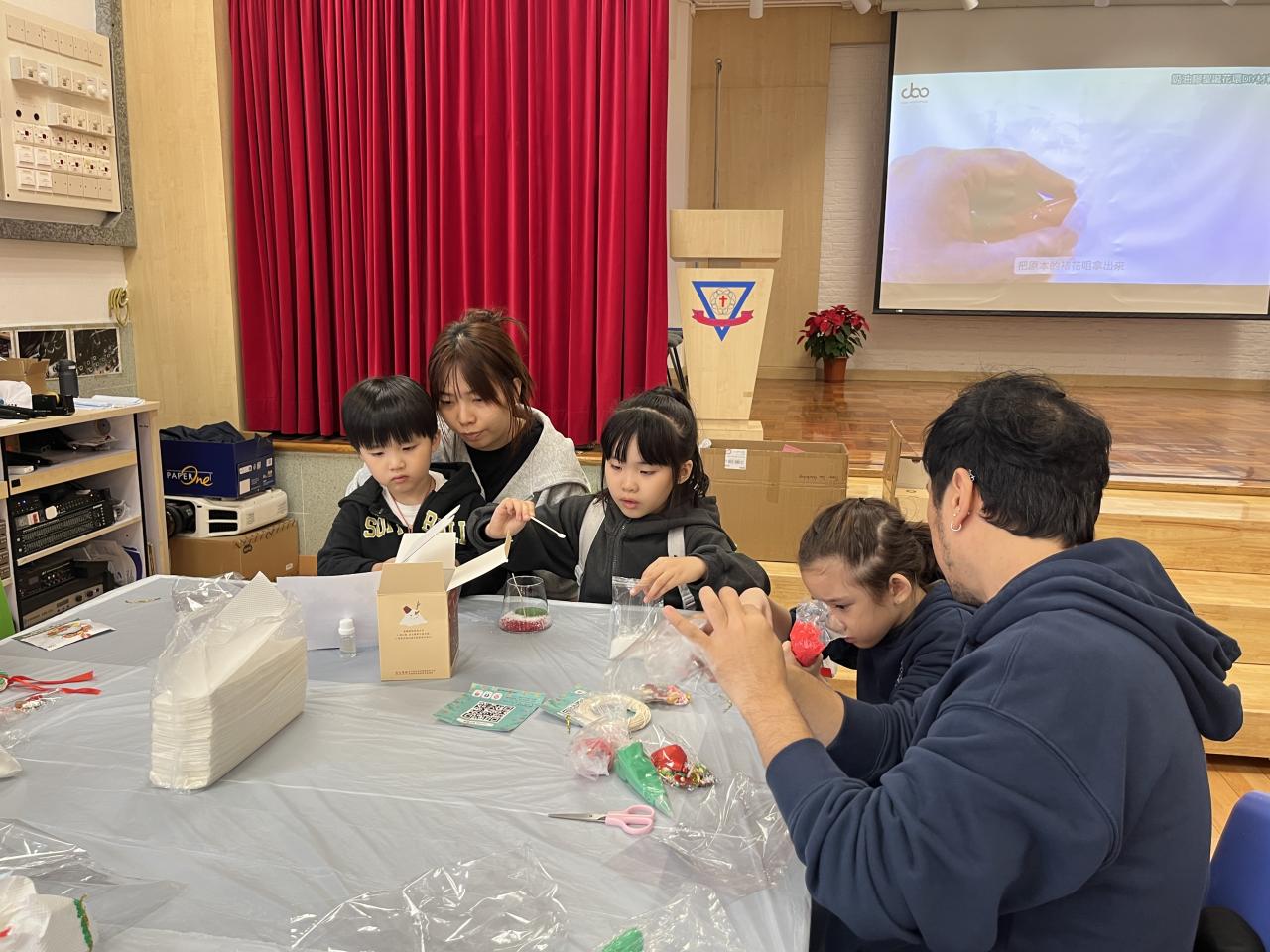
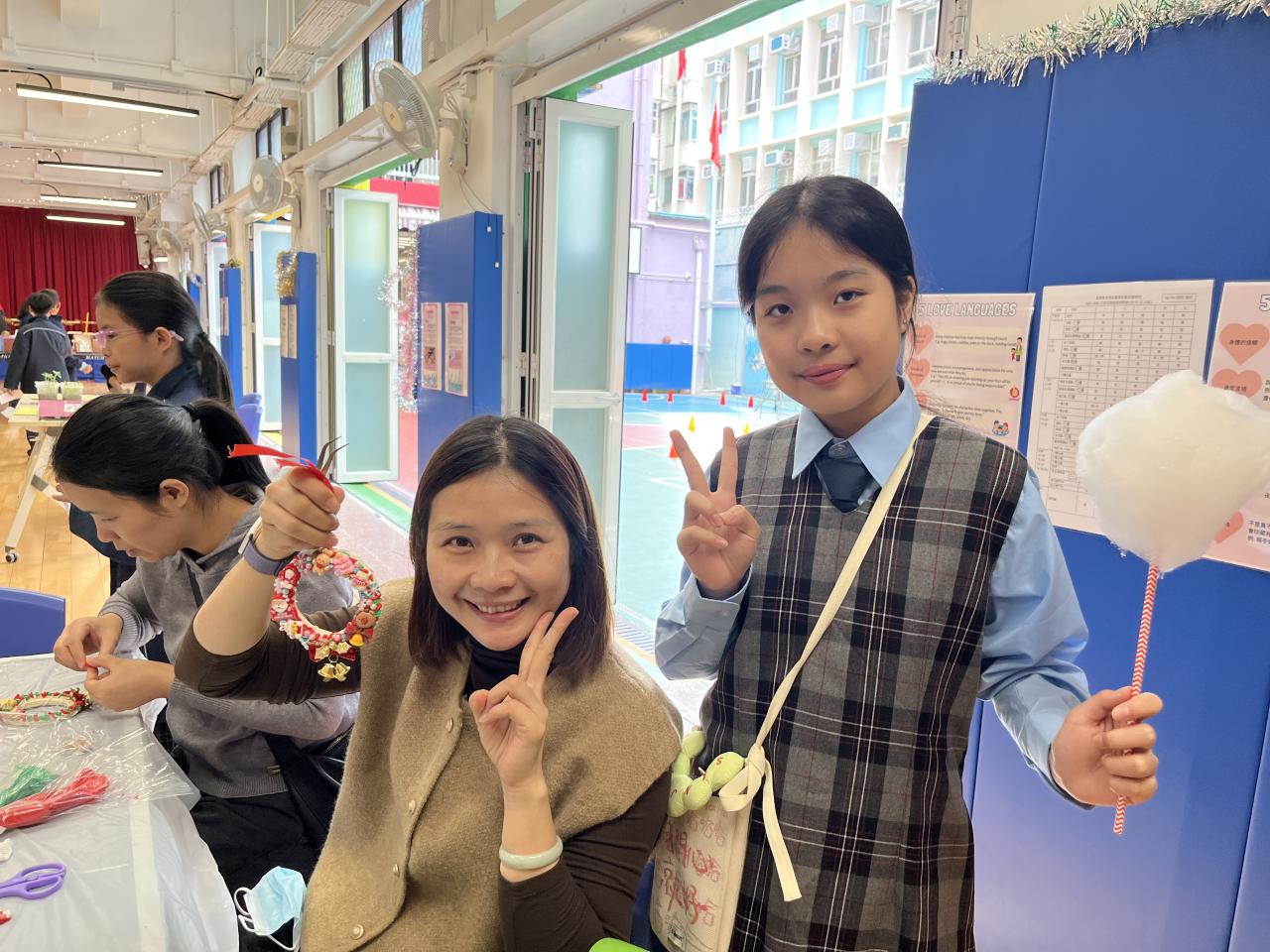
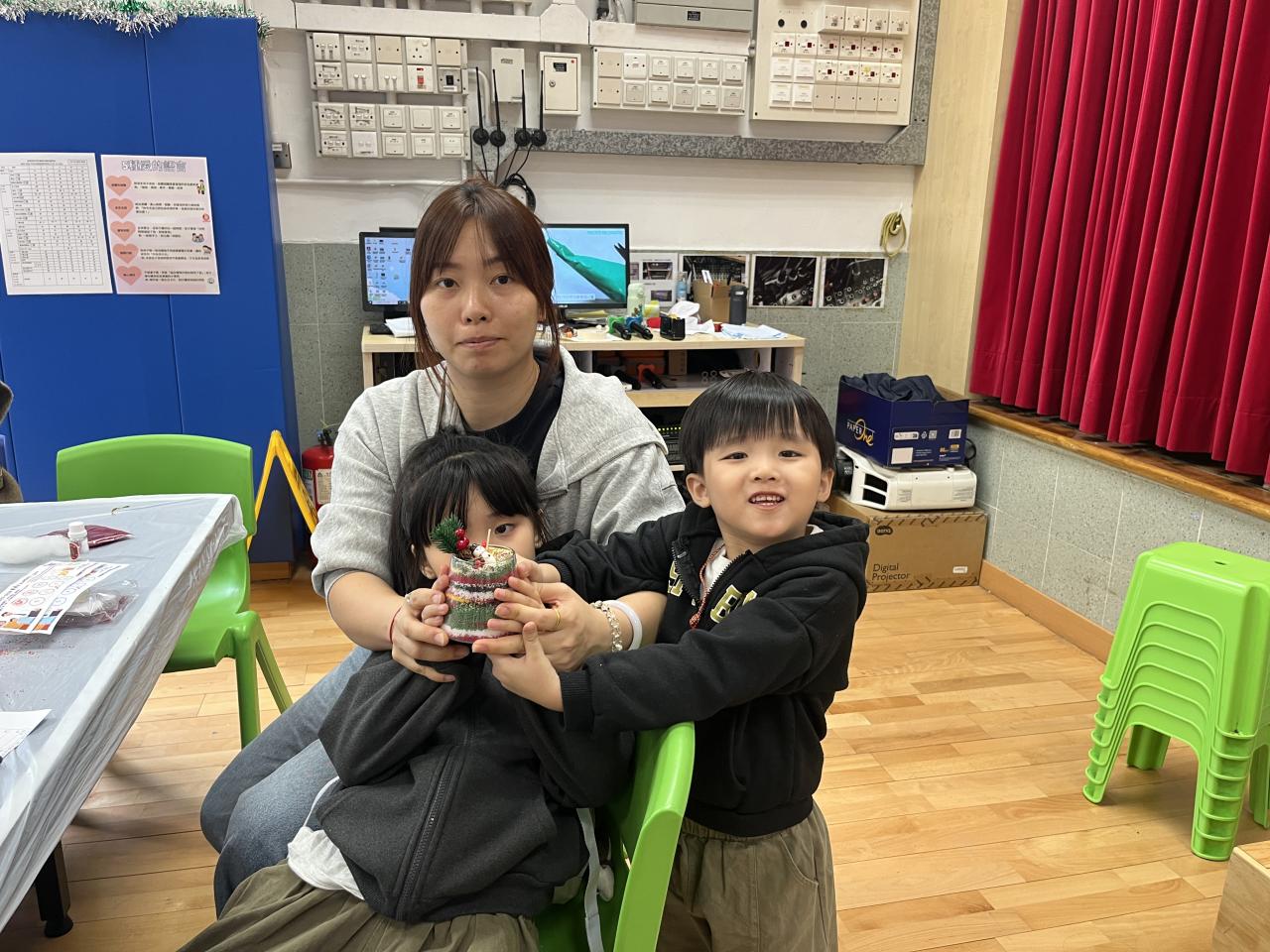
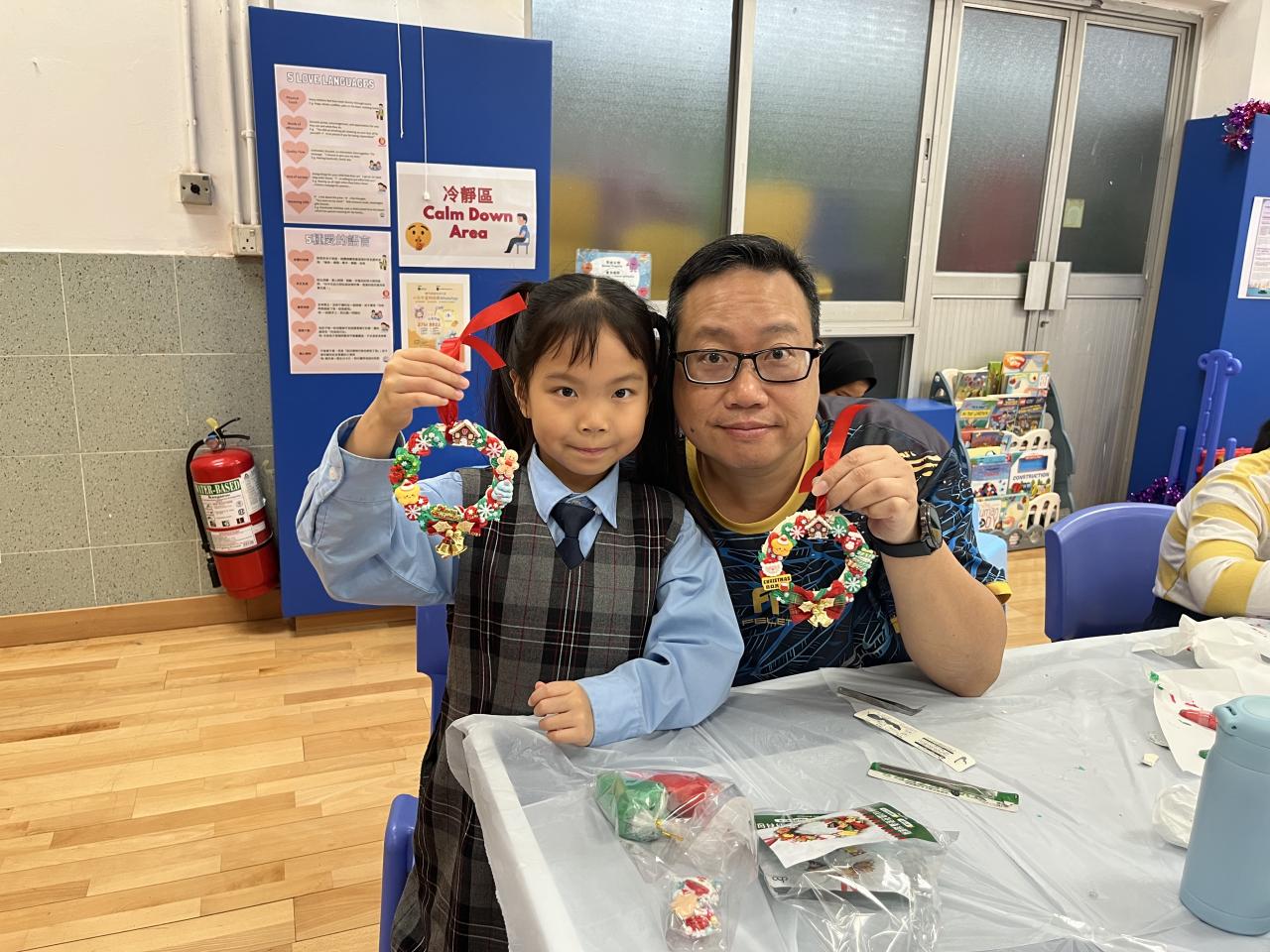
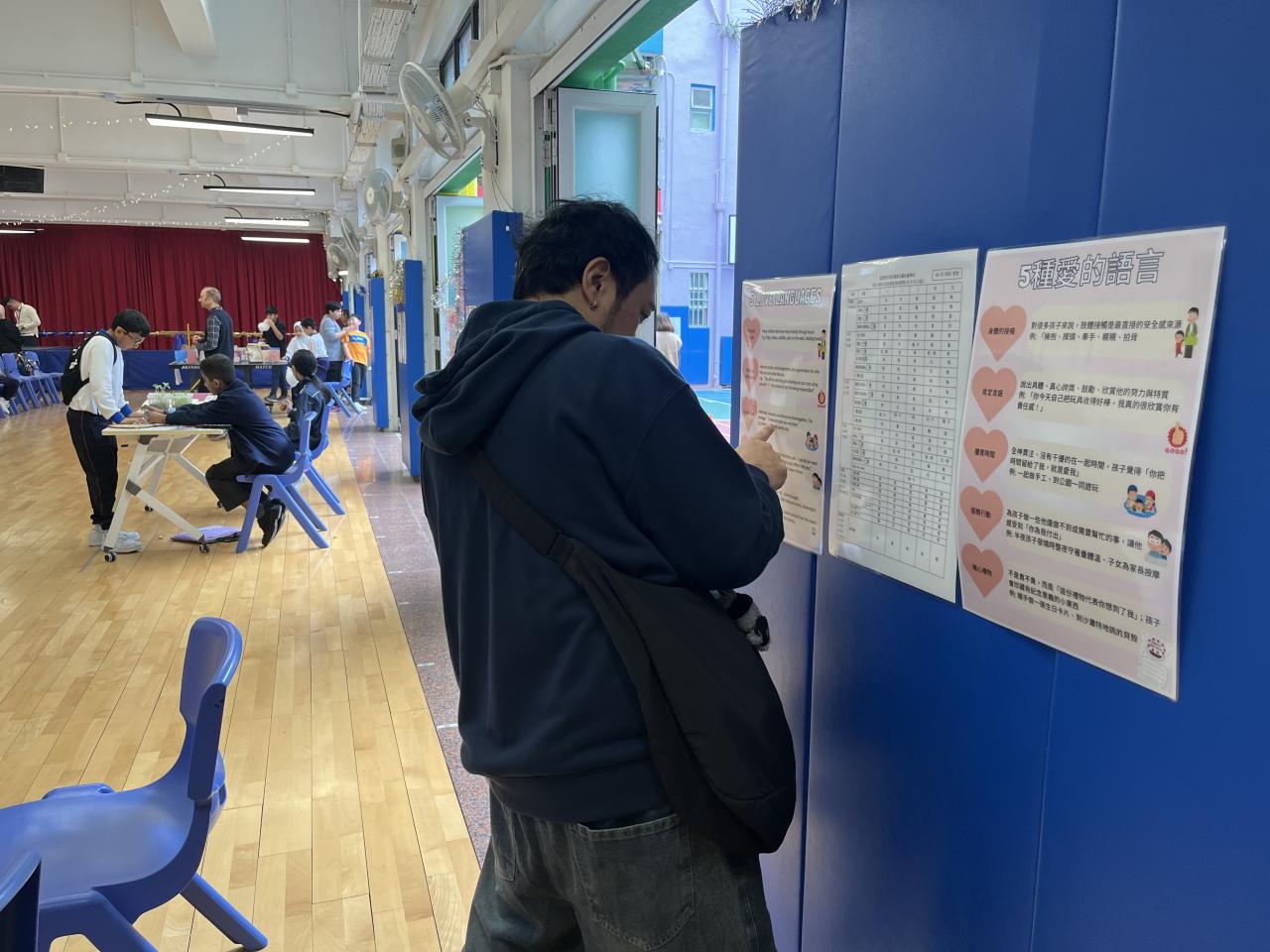
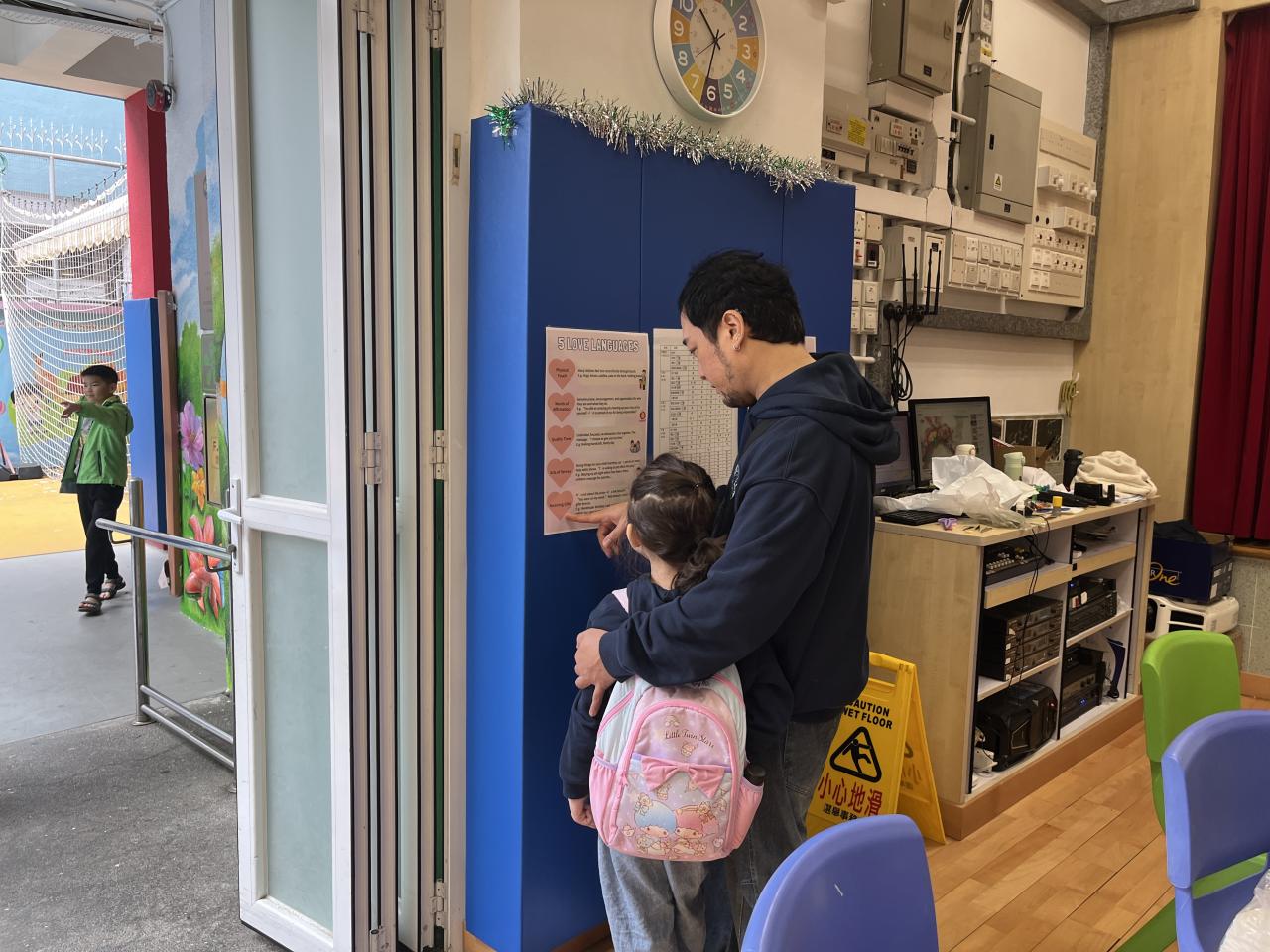
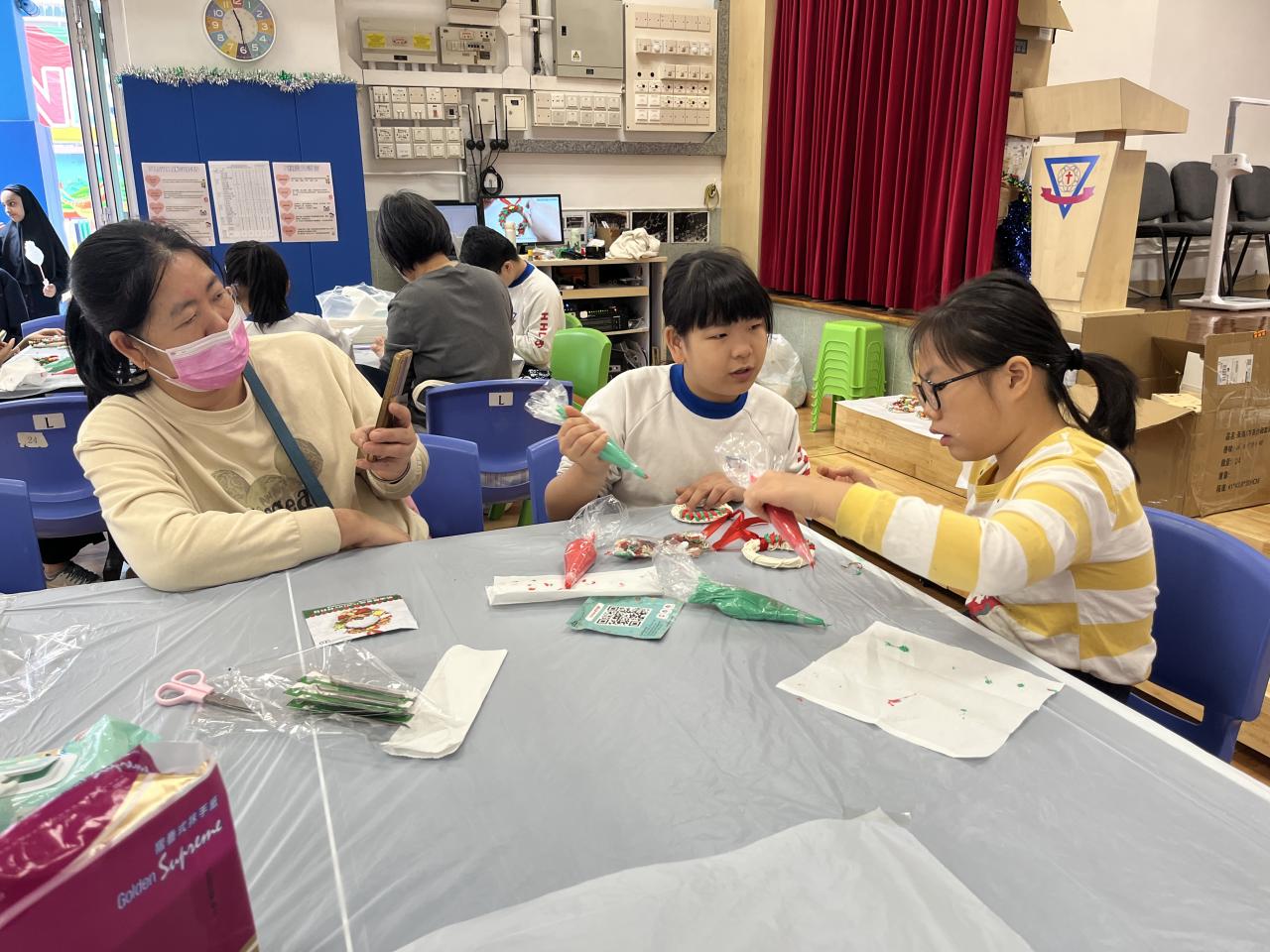
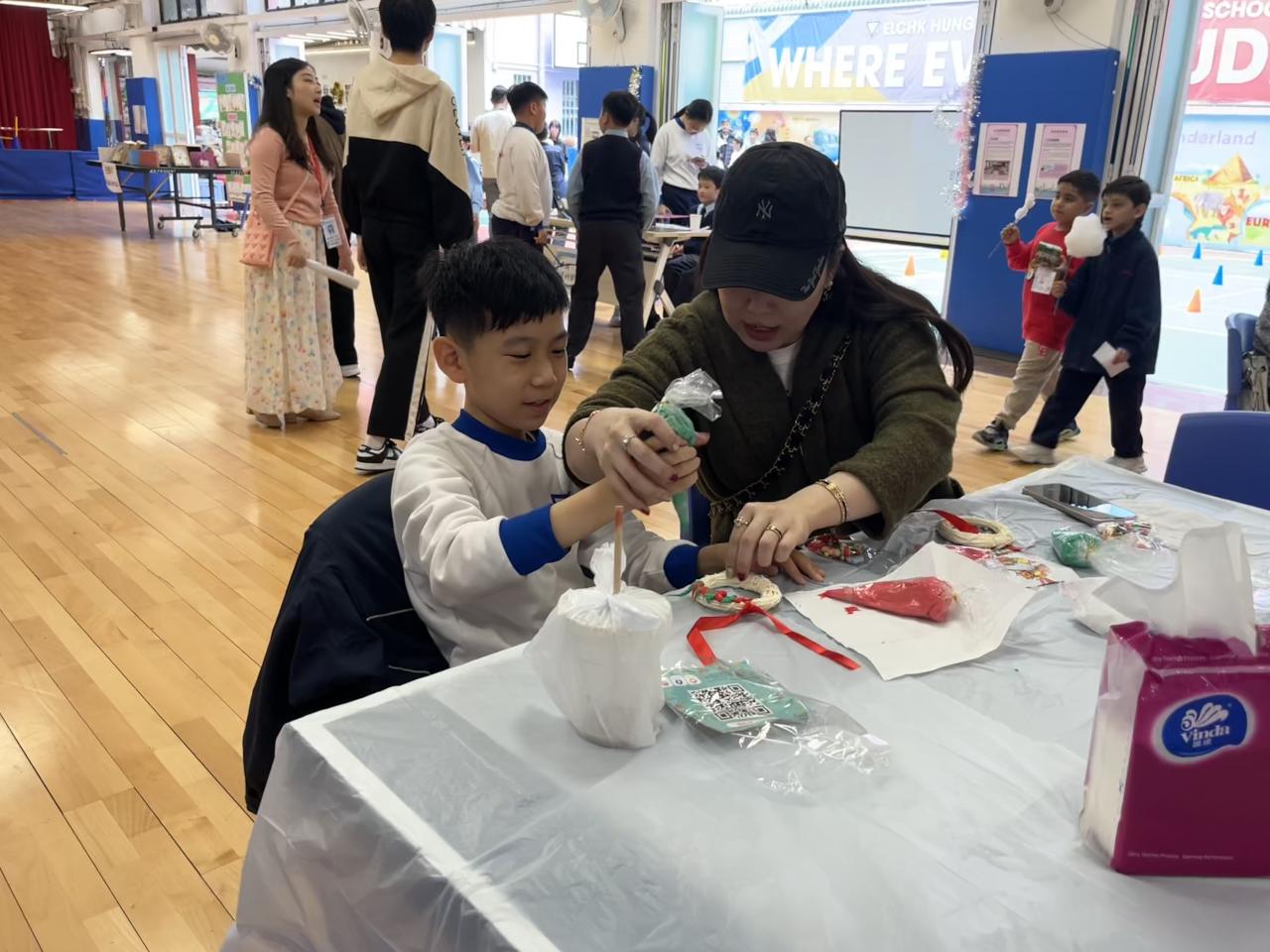
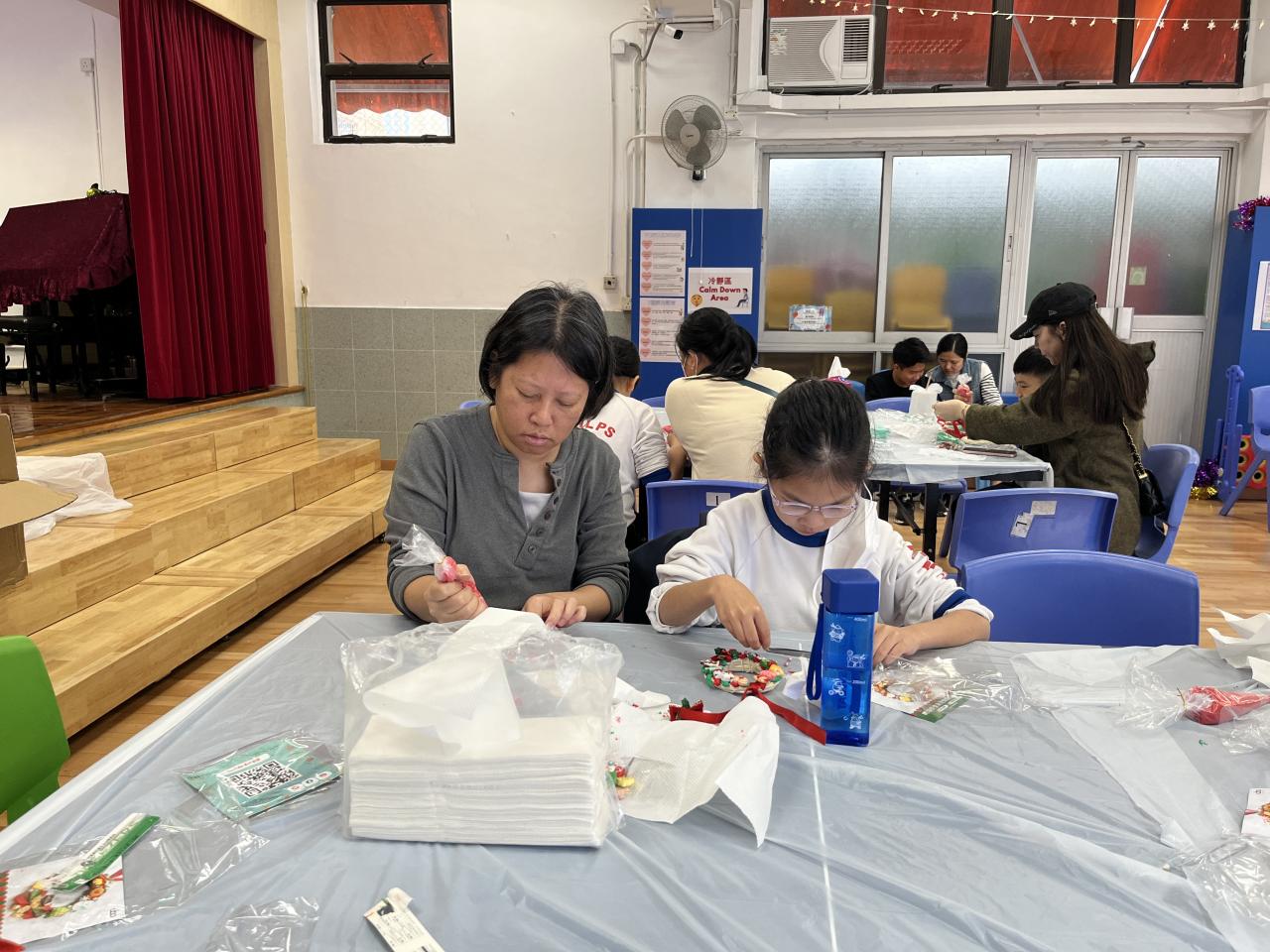
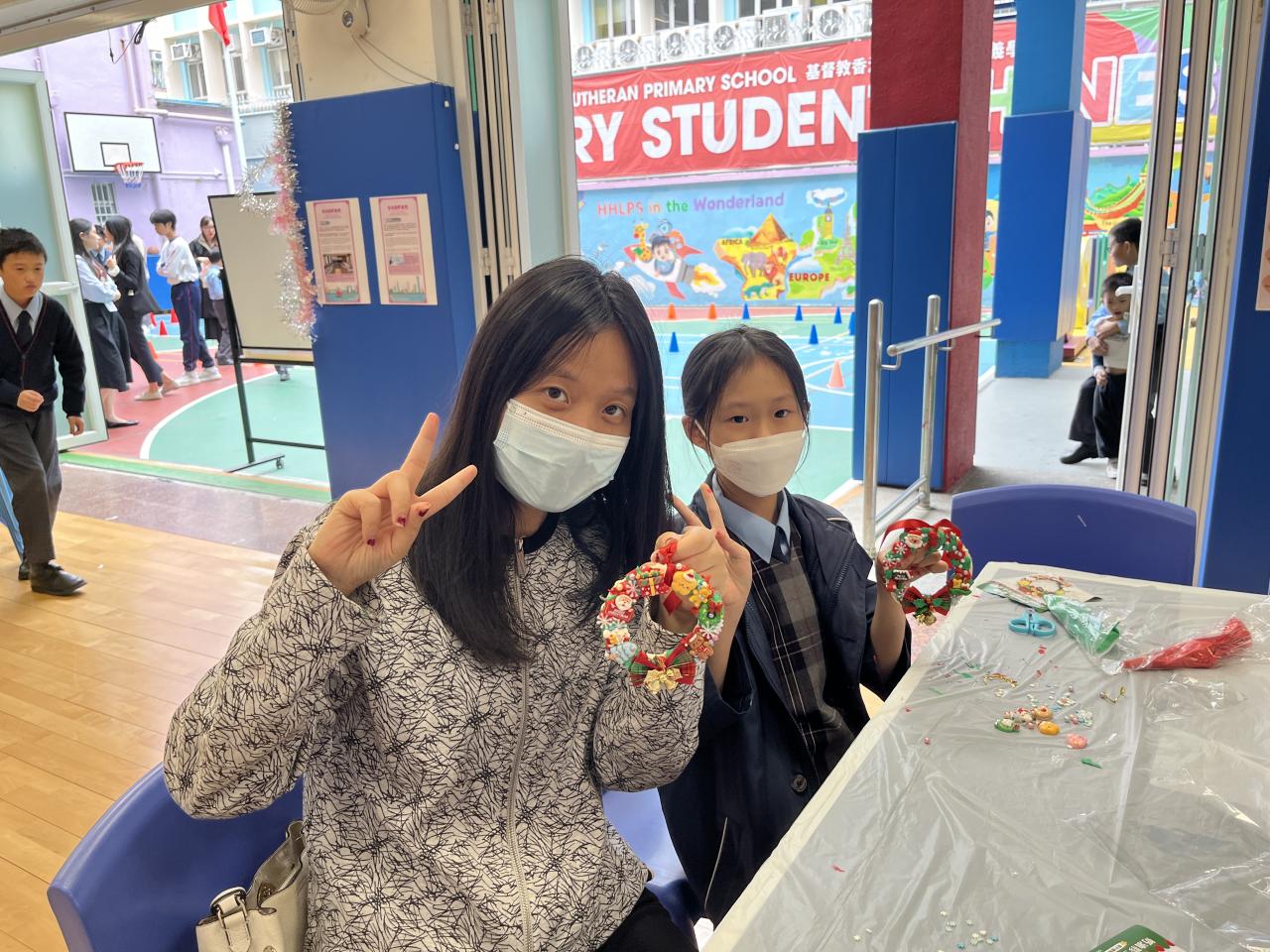
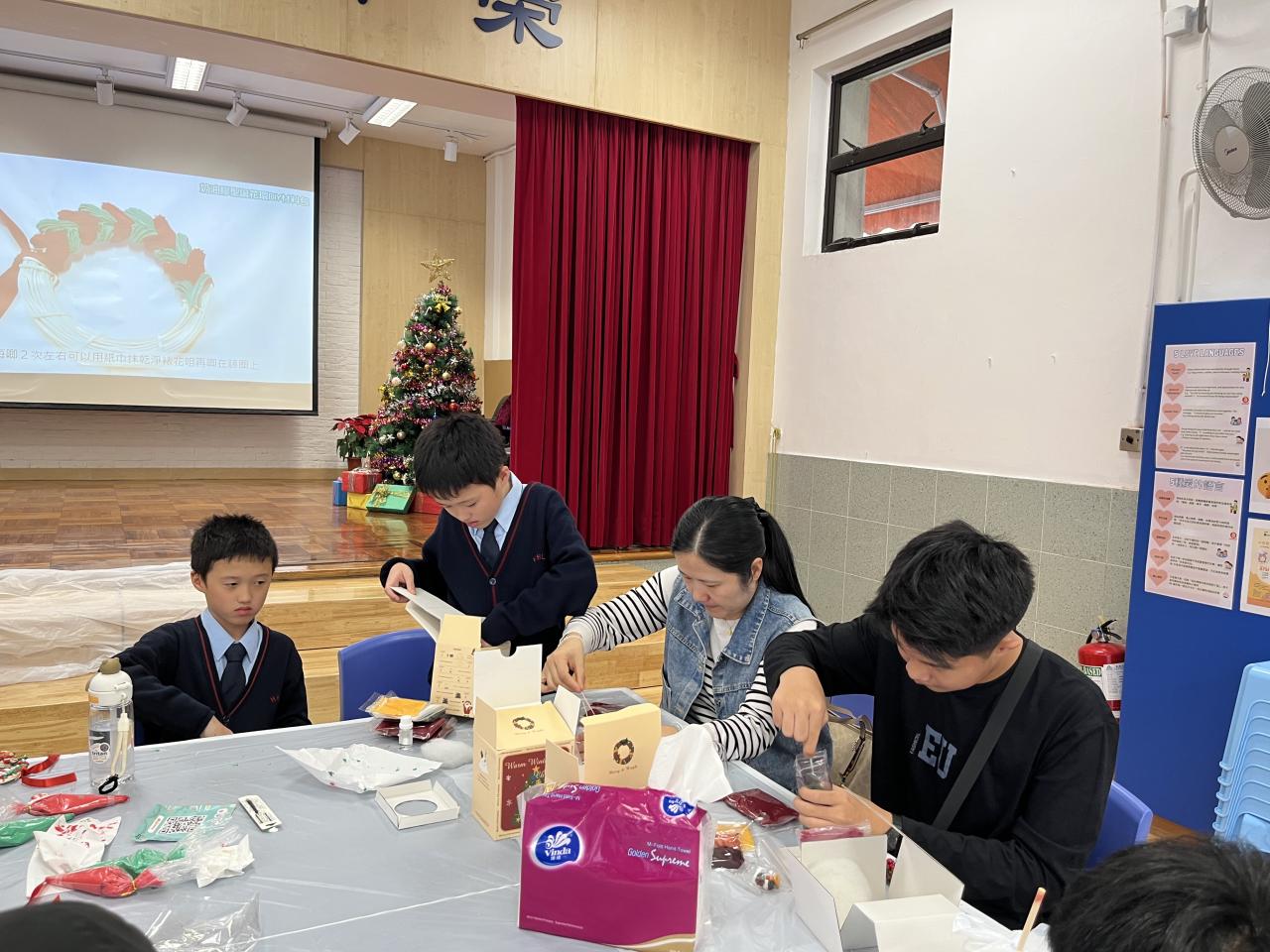
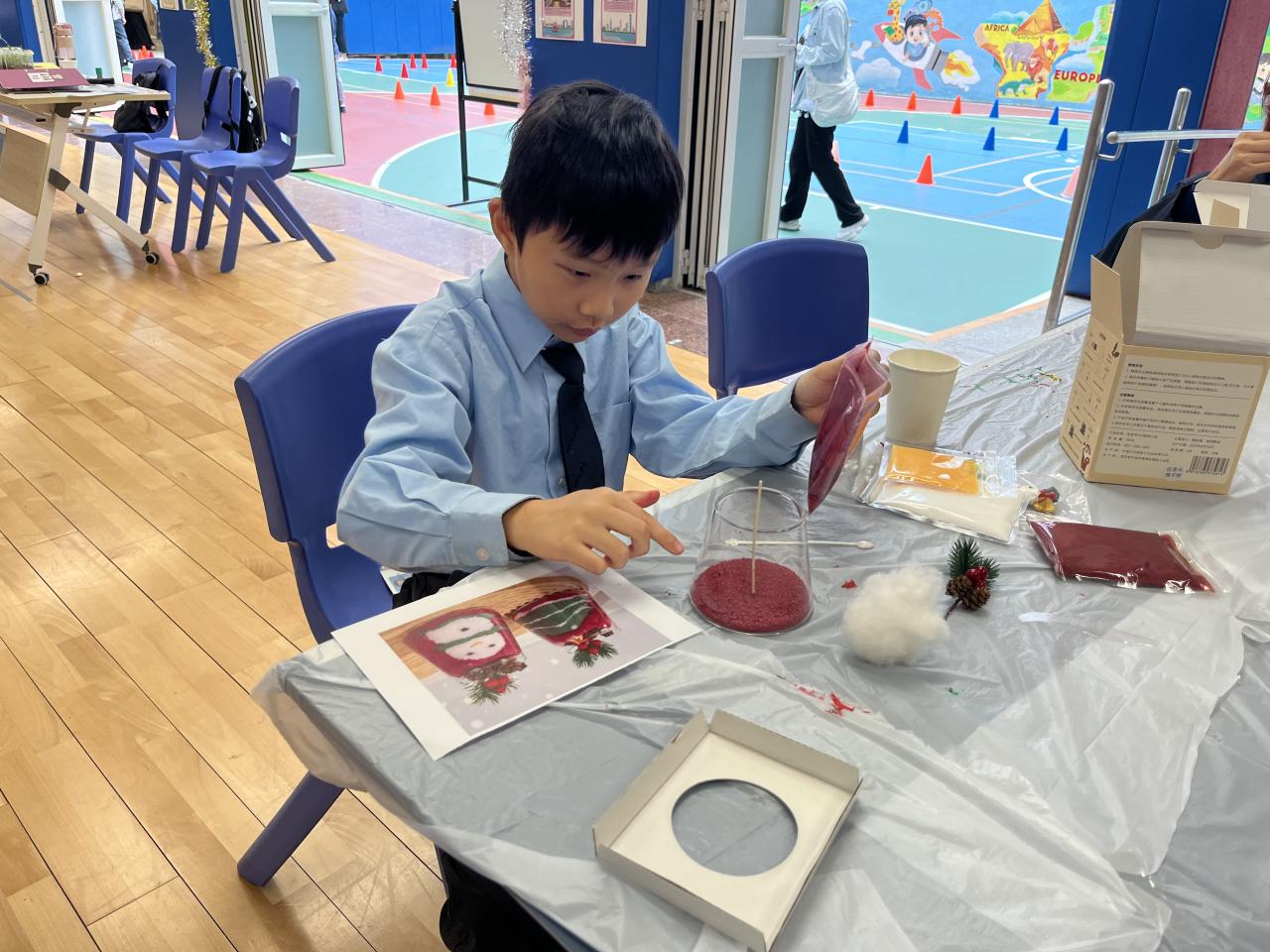
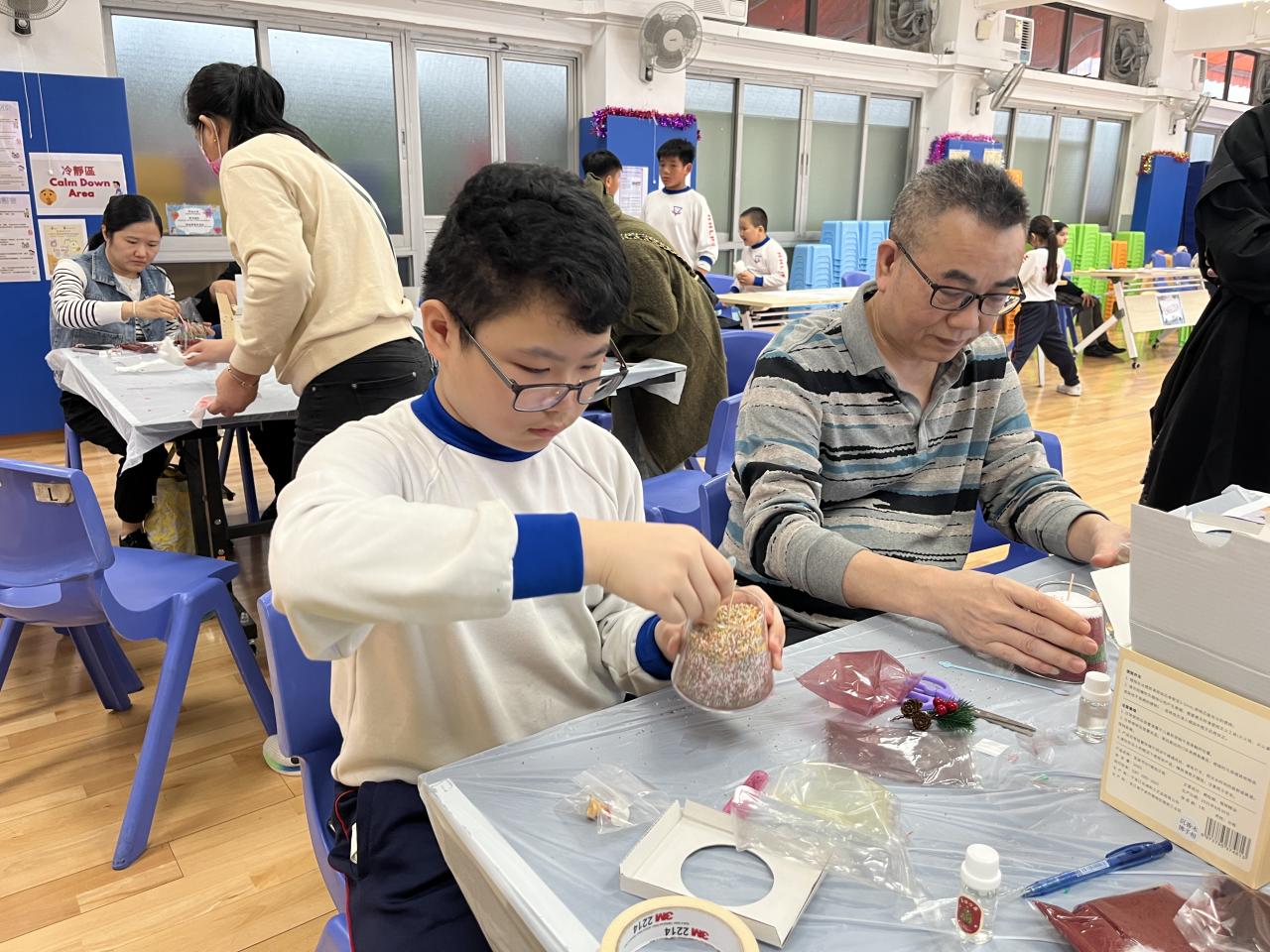
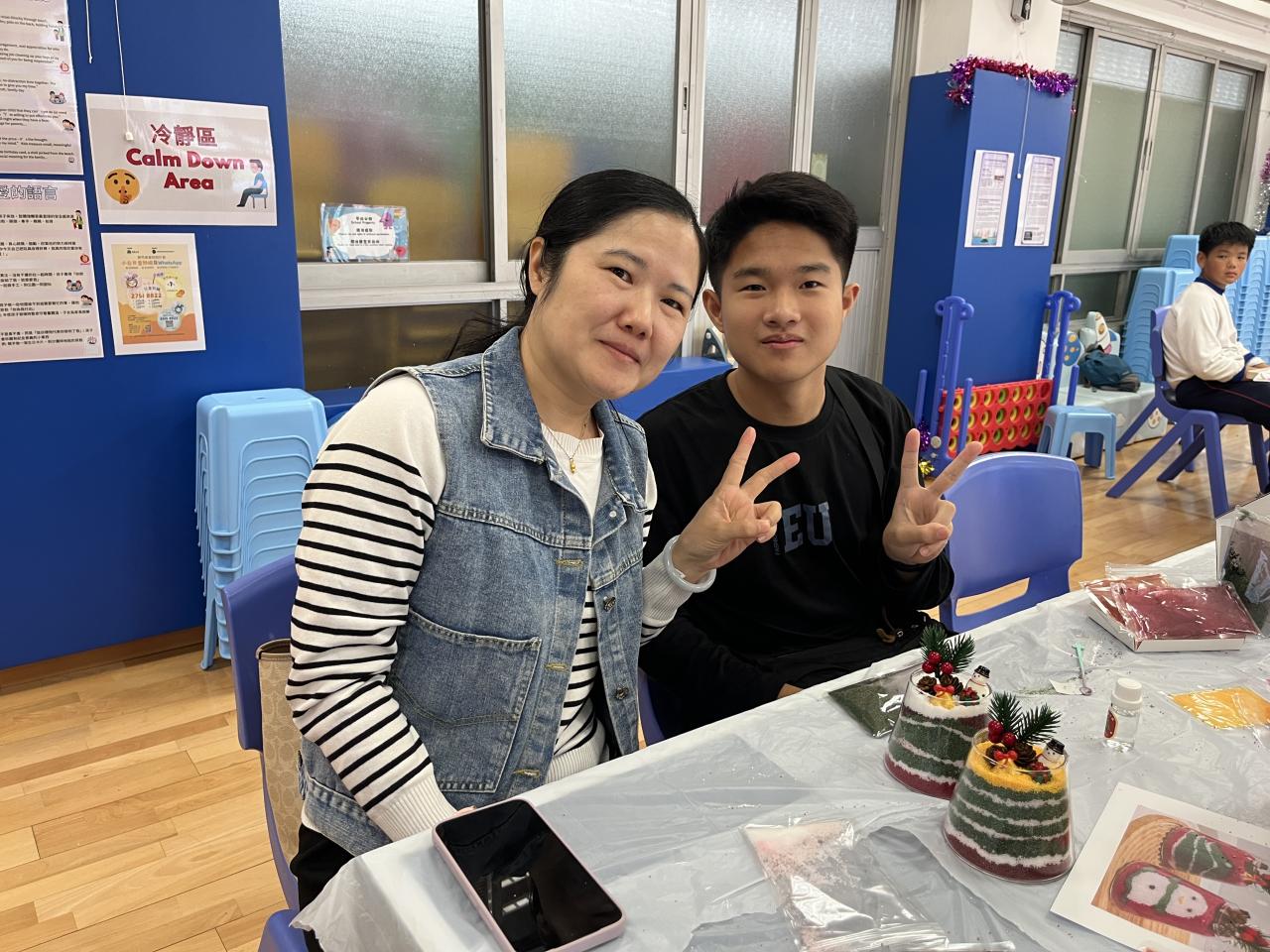
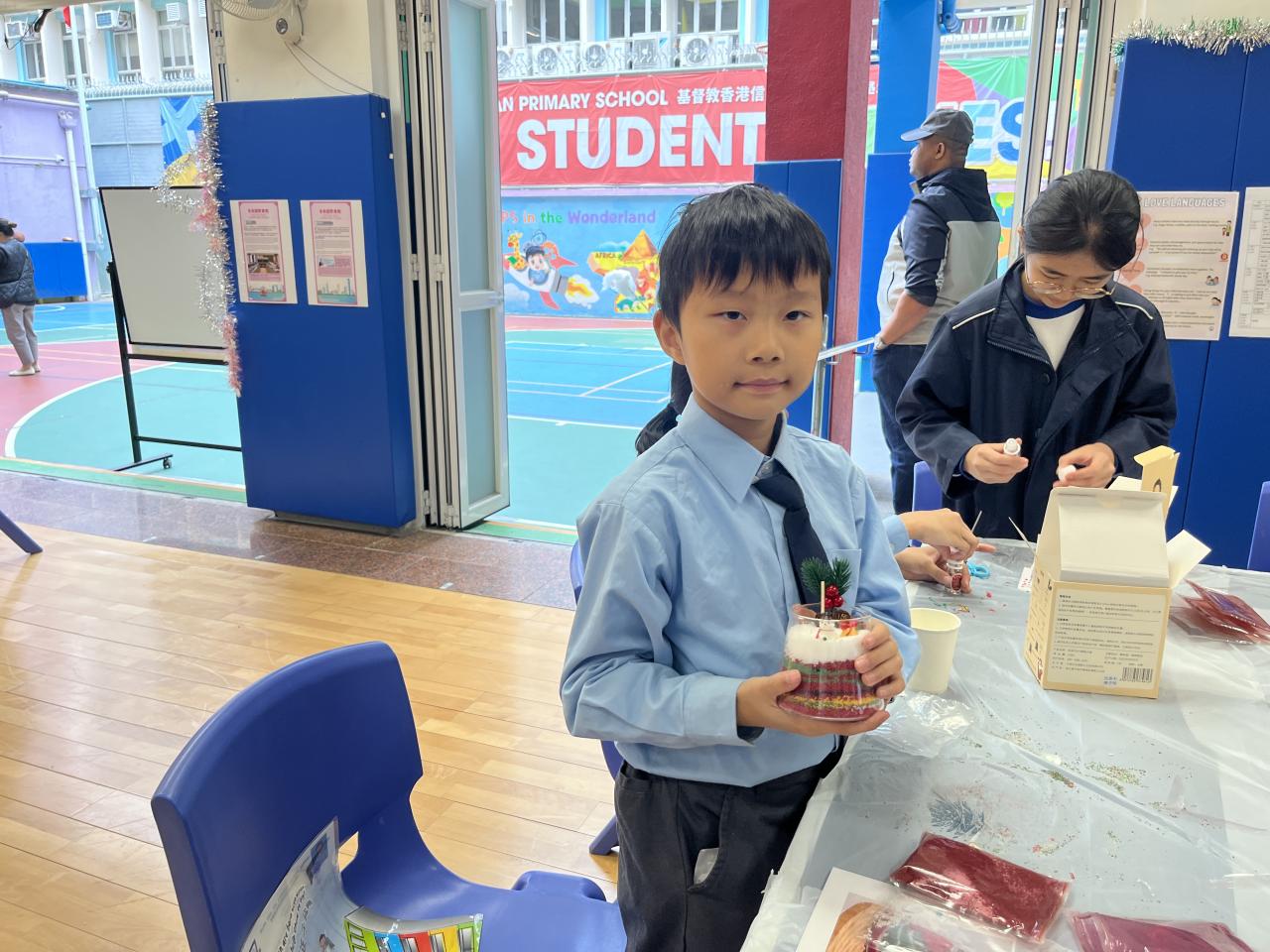
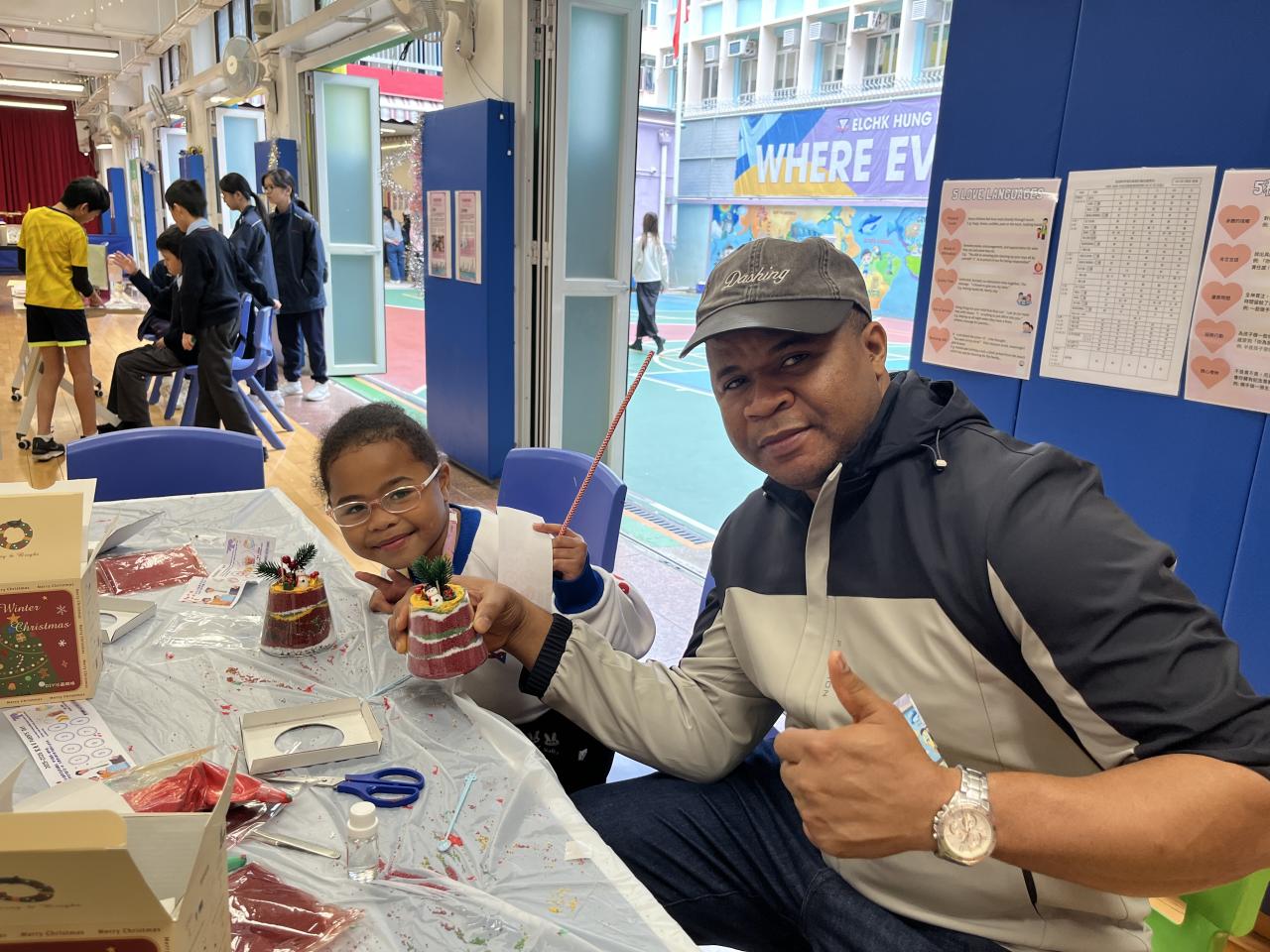
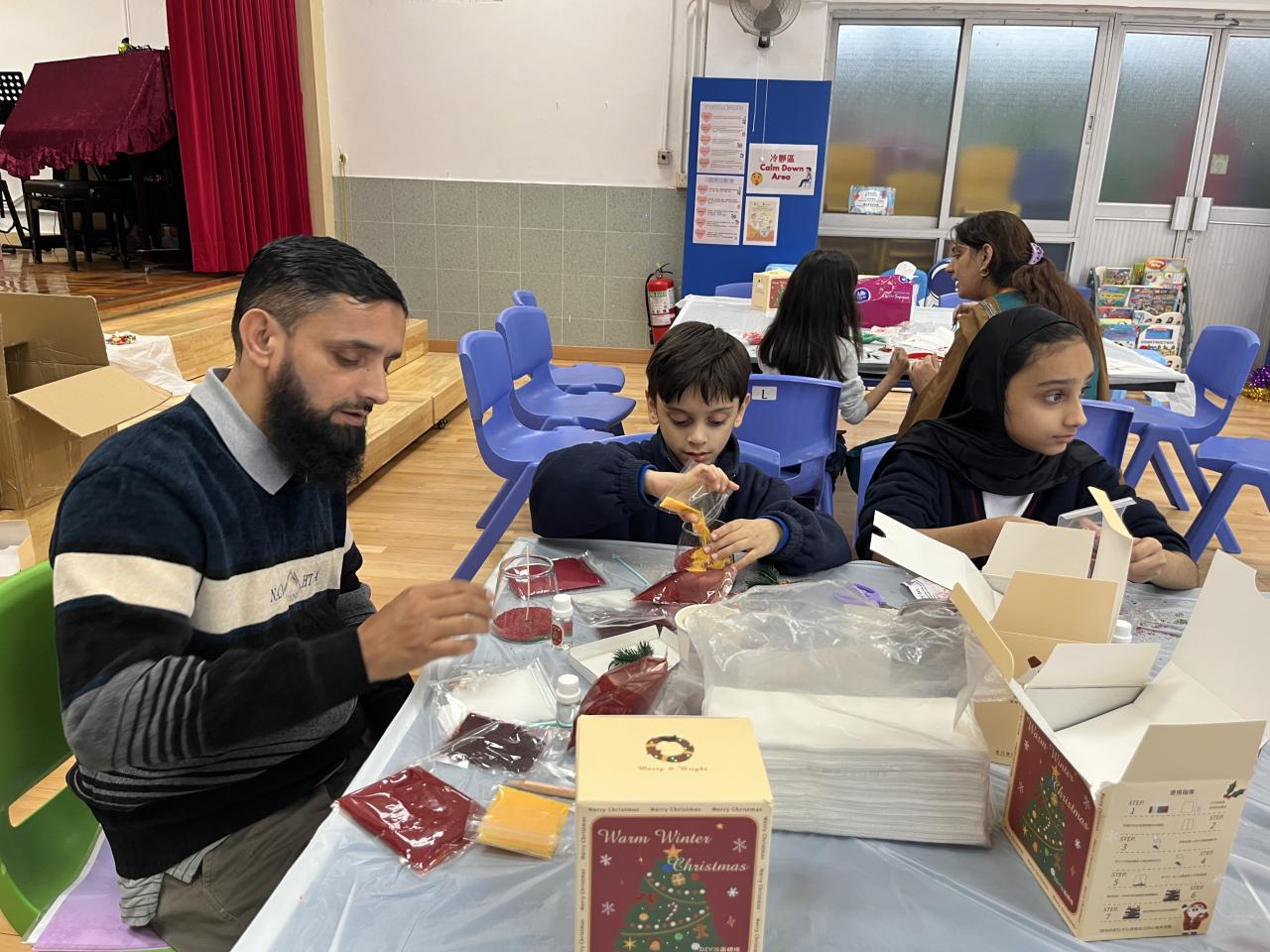
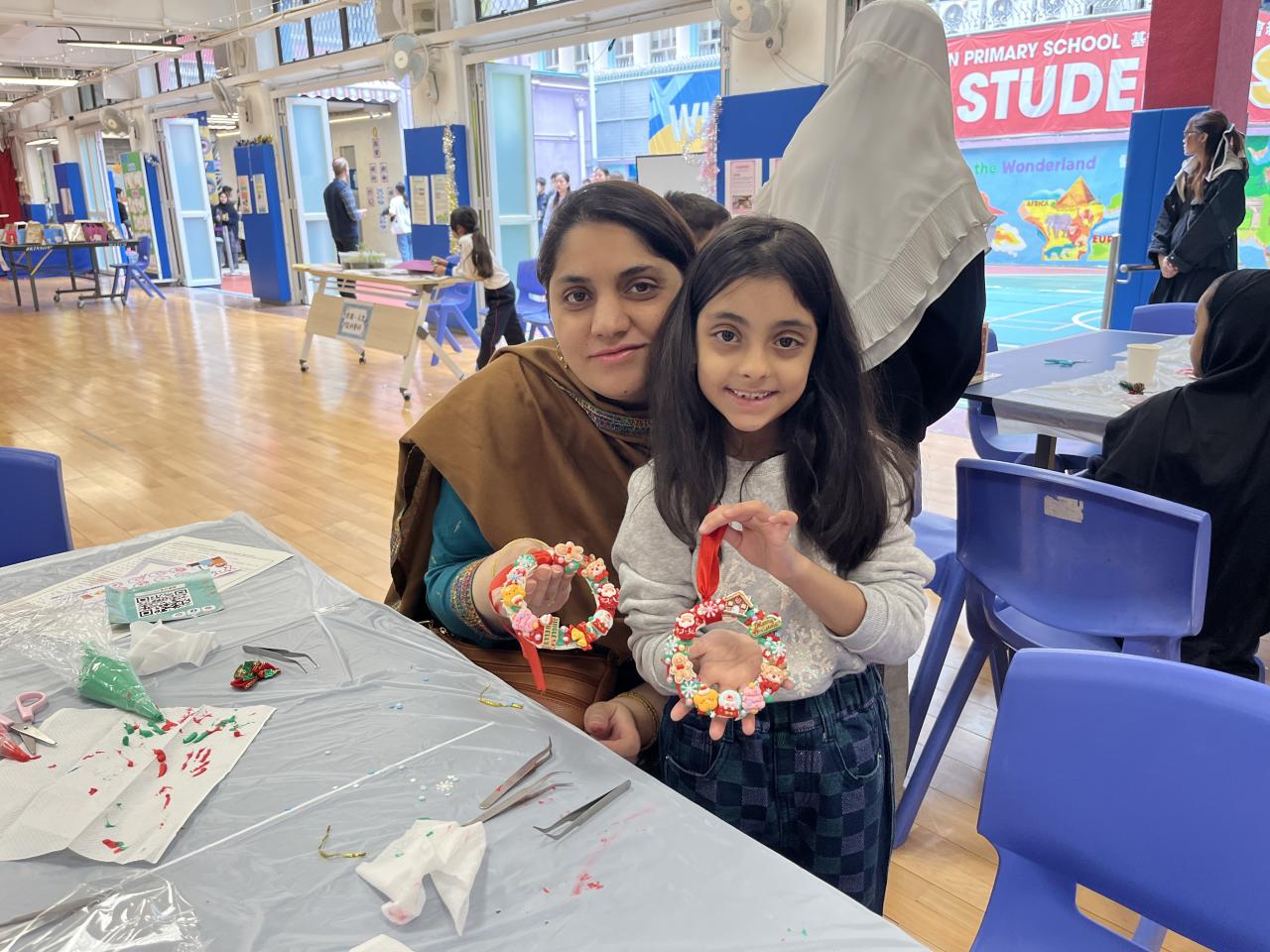
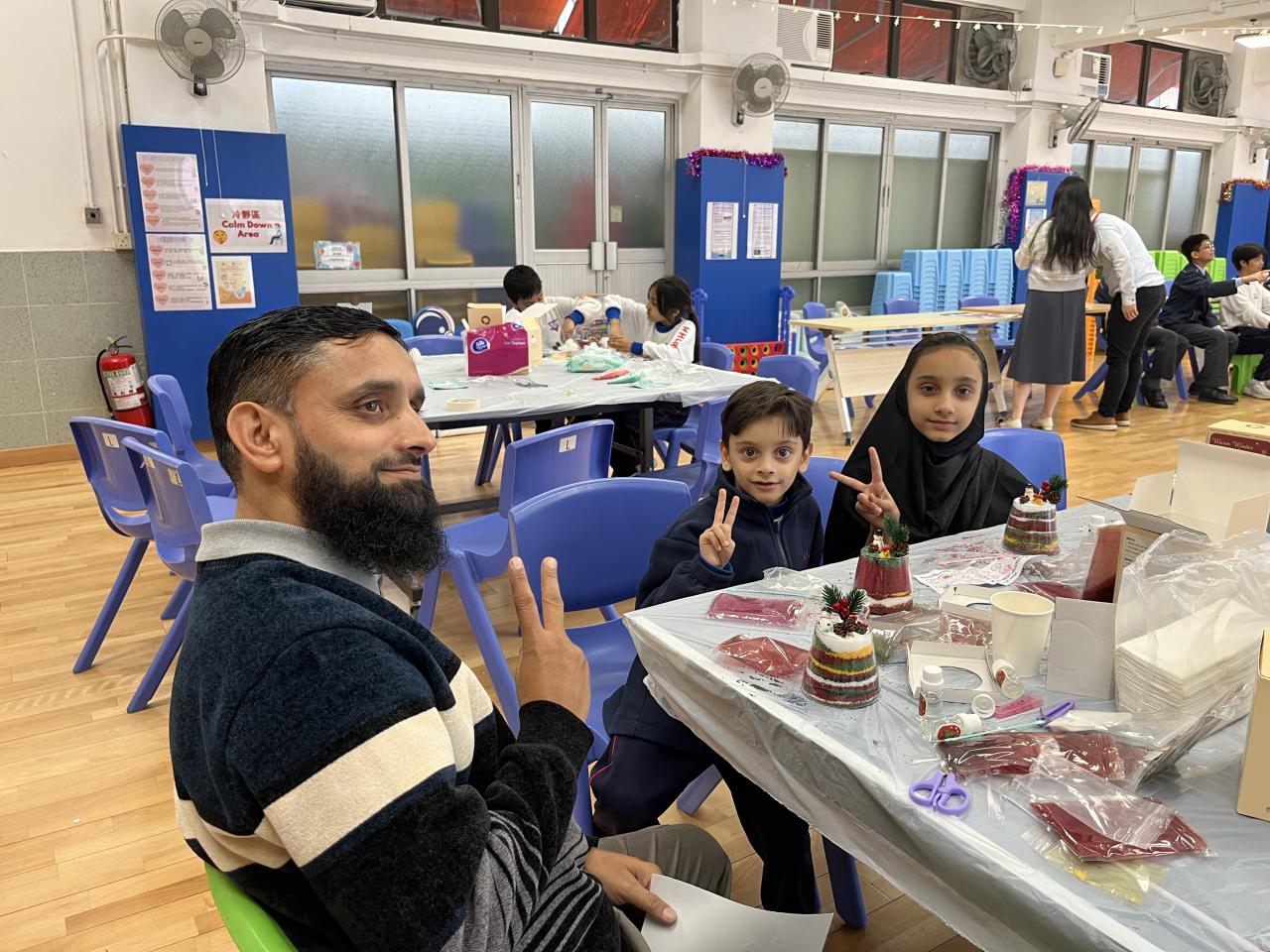
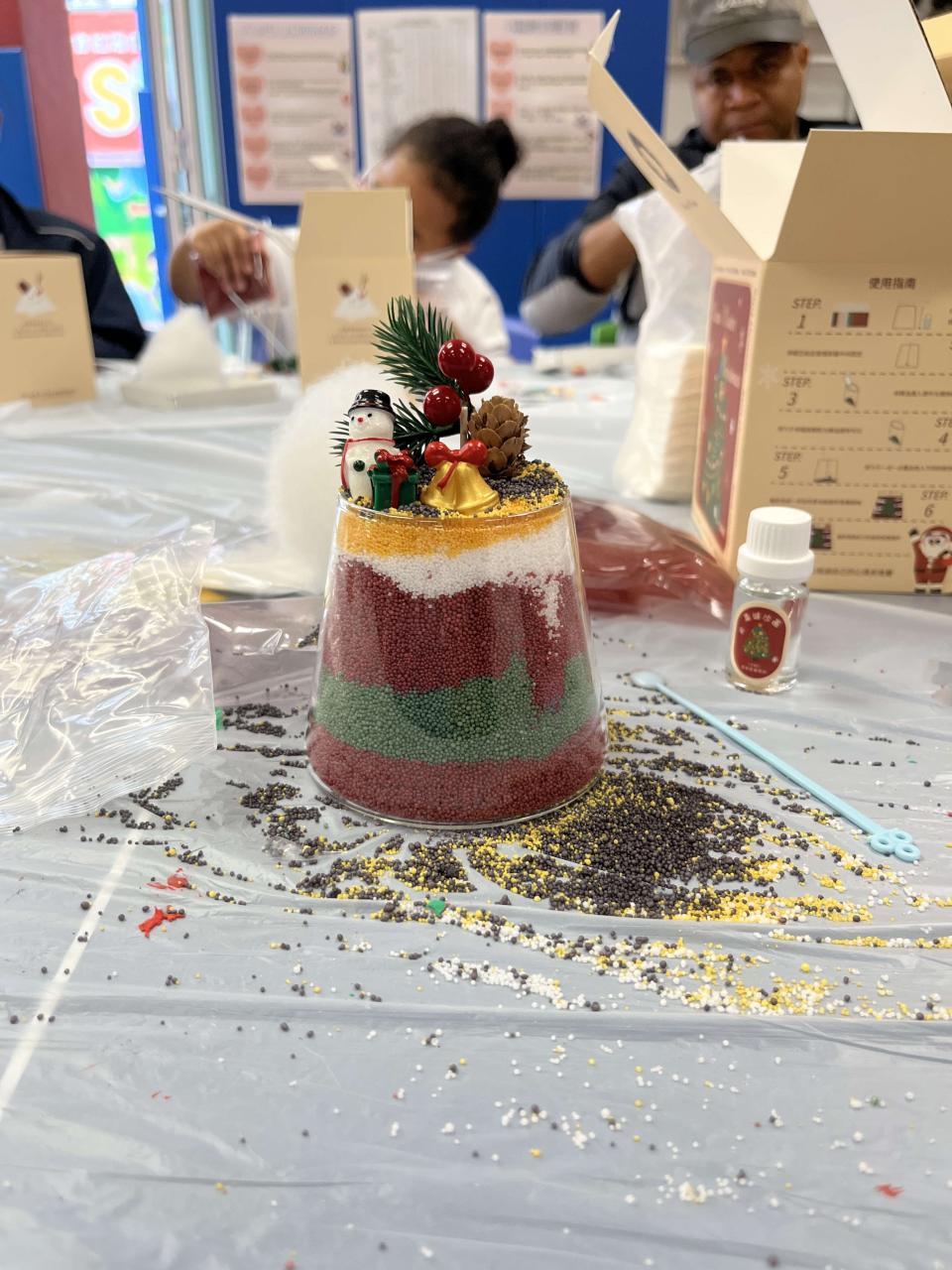
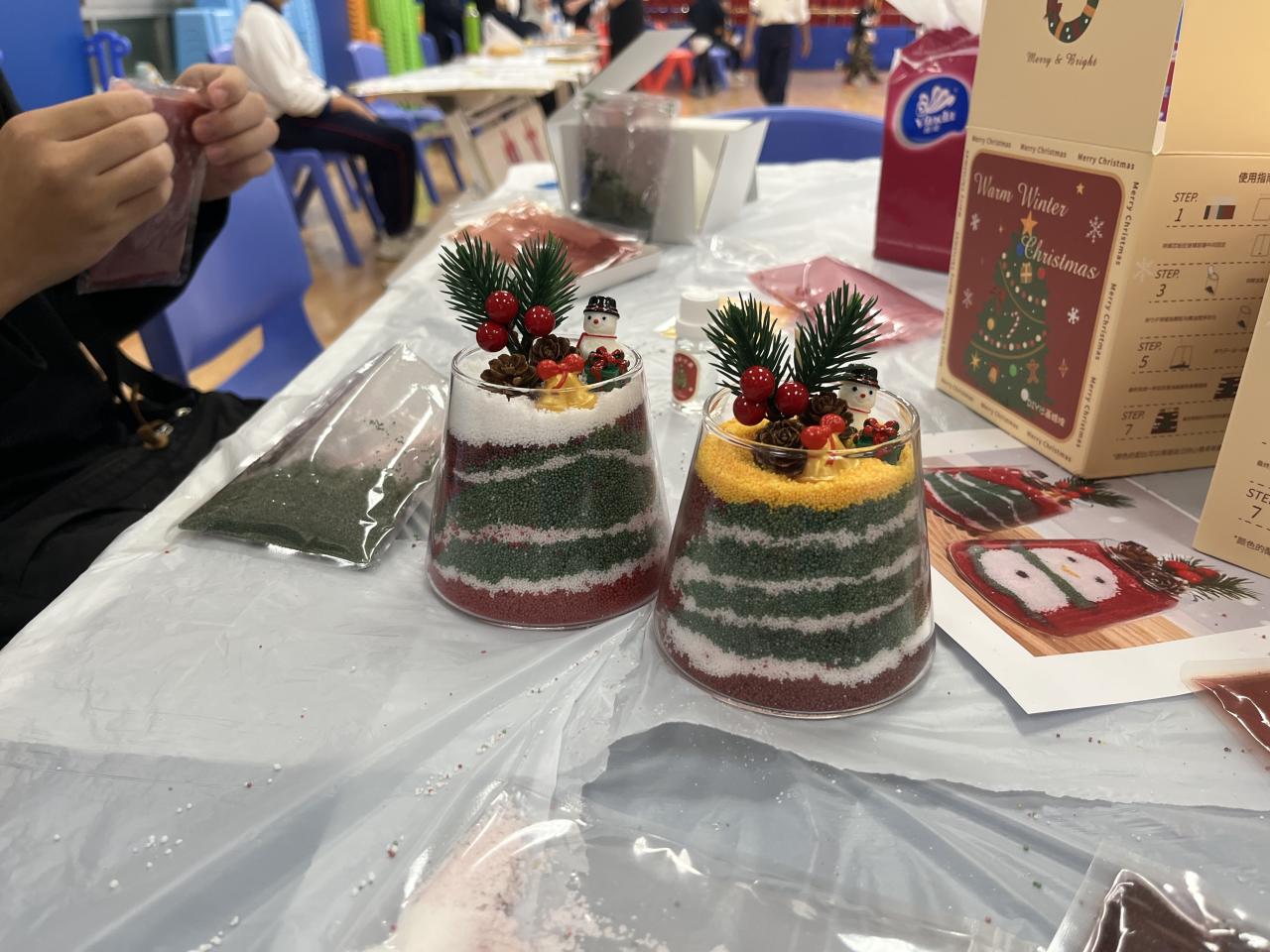
在親子DIY聖誕花環工作坊中,親子認識了5種愛的語言,並一同享受了創作的樂趣,享受親子時光。在整個過程中,親子們彼此陪伴,專注享受親子之間精心的時刻。這種陪伴使得親子關係更加親密和緊密。一些低年級的孩子未能擠出奶油膠,父母提供協助,讓子女感到被重視及照顧。
5種愛的語言
1. 精心的時刻:全神貫注、沒有干擾的在一起時間,孩子覺得「你把時間留給了我,就是愛我」
2. 服務的行動:為孩子做一些他還做不到或需要幫忙的事,讓他感受到「你為我付出」
3. 肯定的言語:說出具體、真心誇獎、鼓勵、欣賞他的努力與特質,例:「你在製作聖誕花環的過程中很專注!」、「在完成活動後,你能夠清理乾淨場地,我真的很欣賞你有責任感!」
4. 身體的接觸:對很多孩子來說,肢體接觸是最直接的安全感來源,例:「擁抱、摸頭、牽手、親親」
5. 真心的禮物:不是貴不貴,而是「這份禮物代表你想到了我」;孩子會珍藏有紀念意義的小東西
In the parent-child DIY Christmas wreath workshop, families learned about the five love languages while having fun together. Throughout the process, they accompanied each other, focusing on the precious moments shared. This companionship strengthened their bond. Some younger children struggled to squeeze out the clay, and parents stepped in to assist, making their children feel valued and cared for.
Five Love Language
1. Quality Time: Undistracted, focused time together, making the child feel, "You giving me your time is an expression of love."
2. Acts of Service: Acts of service involve doing things for the child that they cannot yet do or need help with, allowing them to feel, "You are doing this for me."
3. Words of Affirmation: Words of affirmation involve giving specific, genuine praise, encouragement, and appreciation for the child's efforts and qualities, such as, "You were very focused while making the Christmas wreath!"
4. Physical Touch: For many children, physical touch provides the most direct source of security, such as hugs, head pats, hand-holding.
5. Receiving Gifts: Gifts are significant not for their price, but for the sentiment behind them: "This gift shows you thought of me." Children treasure small, meaningful items.